

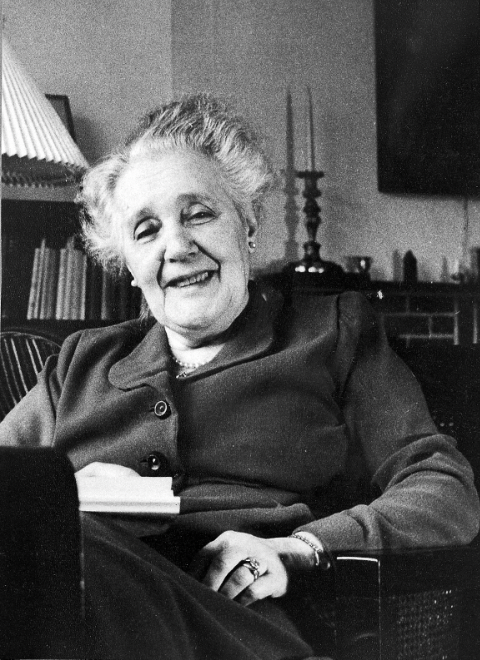
For Women’s History Month, each week we will highlight a major female contributor to the field of psychology. Today, we discuss Melanie Klein.
Melanie Klein (1882-1960) was a trailblazing psychoanalyst known for her significant contributions to the field of child and developmental psychology, particularly in the development of object relations theory. Klein made substantial advancements in understanding the early stages of human development and the intricacies of the human psyche. Her impact on psychology, particularly in the realm of psychoanalysis, has left a lasting legacy.
Born in Vienna, Austria, Klein began her career in psychoanalysis under the mentorship of renowned psychiatrist and psychoanalyst Karl Abraham. Her early work primarily focused on the psychoanalysis of children and developing new techniques to explore the unconscious mind of young patients. In particular, she recognized the significance of play as a natural mode of expression for children, providing insights into their inner world and helping them process emotions, conflicts, and anxieties.
Klein introduced the concept of the “play technique” as a therapeutic method to understand and interpret the unconscious thoughts and fantasies of children. She believed that through play, children could communicate their inner conflicts, desires, and fears in a symbolic and metaphorical language. This approach allowed therapists to gain access to the child’s internal world and understand the dynamics of their psychological life.
In play therapy, children engage in various activities such as drawing, storytelling, and playing with toys, providing therapists with a window into their fantasies and emotions. Klein observed that children often project their feelings onto toys or use them as symbols to represent aspects of their inner world. For example, a child might play out scenarios with dolls or drawings that reflect their relationships, fears, or unresolved conflicts.
One of Klein’s significant contributions to play therapy is her emphasis on the importance of fantasy play in shaping a child’s psychological development. Through play, children could express and work through unconscious conflicts, helping therapists gain insights into the child’s emotional life.
Klein’s play therapy has influenced various approaches to child psychotherapy, and contemporary practitioners often incorporate play-based techniques into their therapeutic work with children. Play therapy is recognized as a valuable method for addressing a range of psychological issues in children, including anxiety, trauma, behavioral problems, and emotional challenges.
While Klein’s ideas on play therapy have evolved and integrated with other theoretical perspectives over time, her pioneering work laid the groundwork for the acknowledgment of play as a powerful tool in understanding and promoting the mental health of children. The legacy of Melanie Klein in the realm of play therapy endures, shaping the way therapists approach the treatment of children and emphasizing the importance of acknowledging and addressing the unique developmental needs of young individuals.