

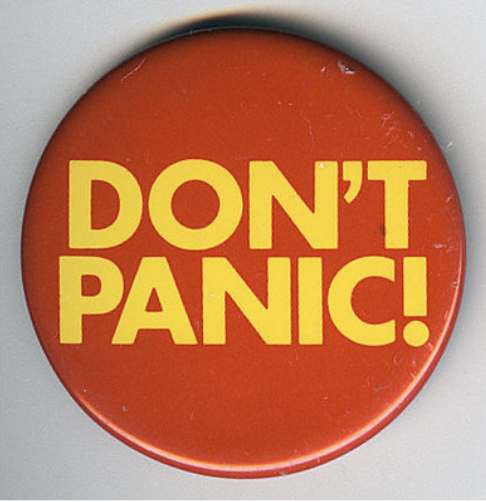
Anxiety is like a car alarm. When it’s blaring, it can be pretty unpleasant, but you’re glad it’s there when someone is trying to break into your car. But if your car alarm goes off everytime you try to unlock the door or open the trunk, the alarm is no longer serving its purpose and it just becomes a nuisance that may lead you to not wanting to get in the car at all. So what do we do when anxiety is acting like a broken car alarm? Here are some quick tips to calm your nervous system and quell anxiety in the moment.
Name It to Tame It
When we’re really anxious, the emotion centers of our brain take over and our thinking brain starts to go offline. To activate your prefrontal cortex and keep your thinking brain online, it can be helpful to simply name the emotions with as much specificity as possible. Using an emotion wheel like this one can be helpful in finding the right words. You’ll likely find that behind your anxiety are more complex feelings. Perhaps you’re not only anxious, you’re also feeling inferior, jealous, inadequate, alienated, and jealous. Naming emotions with specificity can help them to feel more manageable and can serve as a reminder that we’re in control of our emotions.
Ice Ice, Baby
Temperature regulation can be a game-changer in managing anxiety. When anxiety strikes, find ways to cool down your body. This can be achieved through a cold compress on your forehead, running cold water over your wrists, simply holding an ice pack, or using a jade- or ice-roller kept in the freezer. Cold temperatures activate the diving reflex, which has a calming effect on the nervous system, bringing down your heart rate and slowing your breathing.
Work [It] Out
When your nervous system engages in fight or flight response, your body is activating the same survival mechanisms that were initially evolved to fight off predators or invading peoples. When your heart is racing and your blood is preparing for a fight, it can be helpful to use this energy productively. As silly as it may sound, running up and down the stairs, doing 100 jumping jacks, or dancing to your favorite up tempo song helps release pent-up energy and tension, redirecting your focus away from anxious thoughts.
5-4-3-2-1 Grounding
This is a quick and easy mindfulness exercise that brings you out of your head and into your body by engaging your five senses. This is also a great one to do with anxious kiddos on the way to school or ahead of an activity they’re feeling nervous about.
Start by naming 5 things you can see; 4 things you can touch; 3 things you can hear; 2 things you can smell; 1 thing you can taste. Honing in on each of the five senses helps shift attention away from the anxiety and into the present moment.
4-7-8 Breathing
Slow, deliberate breathing helps activate the parasympathetic nervous system, promoting a state of relaxation and reducing the physiological symptoms of anxiety. Try inhaling deeply for a count of four, holding your breath for seven counts, and exhaling for a count of eight. Repeat this pattern several times until you feel a sense of calm settling in. The key here is to keep your exhales approximately twice as long as your inhales.
Remember that consistency is key, and building these skills takes time and practice. Be patient with yourself as you explore and refine your approach, and don’t hesitate to seek additional support from mental health professionals if needed. To learn more about how to manage symptoms of anxiety and panic, visit our page on anxiety and panic attacks.